The Crucial Role of Regular Inspections
In the realm of fire safety, regular inspections of fire doors represent a pivotal aspect of maintaining not only compliance with statutory regulations but also the safety of buildings and their occupants. Fire doors play a significant role in inhibiting the spread of fire and smoke, providing essential time for evacuation in the event of an emergency. Therefore, conducting periodic inspections ensures these doors function correctly and remain compliant with fire safety standards. Adhering to these inspections is not merely a best practice; it is a crucial requirement for insurance policies and Housing Management Organisation (HMO) stipulations. Failing to perform these inspections can result in severe legal penalties, damage to property, and, most critically, compromised safety for all individuals within the premises. The implications of neglecting fire door inspections extend far beyond regulatory consequences— they jeopardise the safety and well-being of all occupants.
Understanding Fire Door Regulations
Fire door regulations are established to ensure maximum protection against fire hazards. These regulations dictate the necessary specifications for installation, maintenance, and inspection processes that fire doors must undergo regularly. Fire doors are integral components of a comprehensive fire safety plan, and these regulations help facilitate adherence to safety standards that protect lives and property.
Insurance Compliance and Fire Safety
Regular inspections are vital for maintaining compliance with insurance policies. Insurance companies often require proof of adherence to fire safety regulations, including fire door checks, to validate coverage. Failure to provide such proof can lead to denied claims in the event of a fire incident, thus reinforcing the necessity of routine inspections to safeguard both property and financial interests.
Minimising Legal Risks
Neglecting fire door inspections exposes property owners and managers to significant legal risks. Non-compliance with established fire safety regulations can result in legal actions and penalties from regulatory bodies. Conducting regular inspections mitigates these risks and demonstrates a commitment to upholding safety standards, thus fostering trust and accountability.
Ensuring Occupant Safety
Ultimately, the primary goal of regular fire door inspections is to ensure the safety of all building occupants. Fire doors are designed to protect lives by preventing the spread of fire and offering safe escape routes. Regular inspections ensure that these critical safety features are functional, thus prioritising the welfare of those who inhabit or work within the premises.
Fire Door Visual Guide
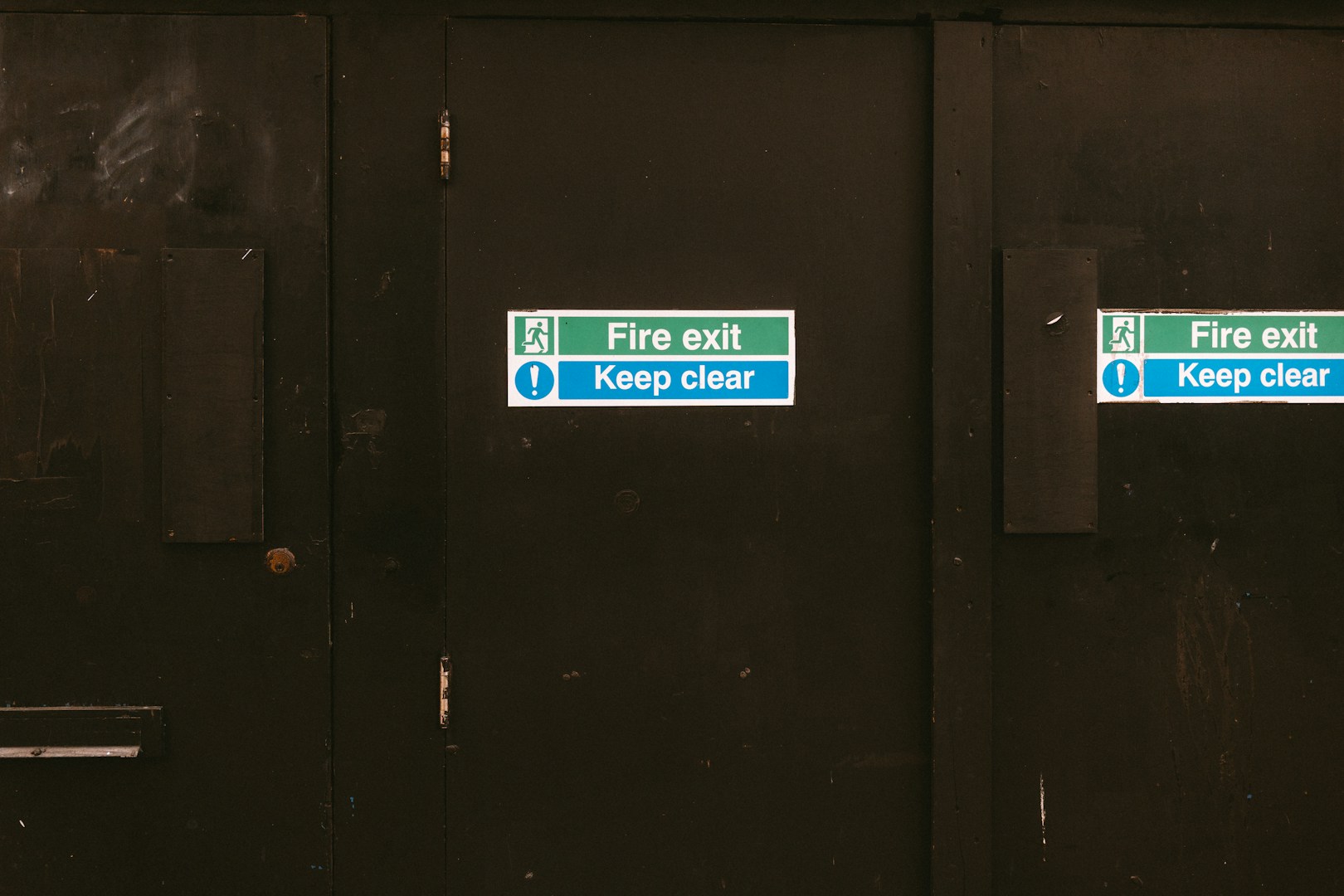
Explore a gallery showcasing examples of compliant and non-compliant fire doors. Each image highlights vital features such as correct seals, closing mechanisms, and signs of wear and tear, allowing viewers to identify the key aspects of fire door safety in real-life settings. Understanding these elements is crucial for maintaining safety standards and ensuring adequate protection in case of a fire emergency. This visual guide serves as a valuable resource for property owners, safety officers, and building managers to evaluate the condition of fire doors and make informed decisions regarding compliance and maintenance.